 By
By 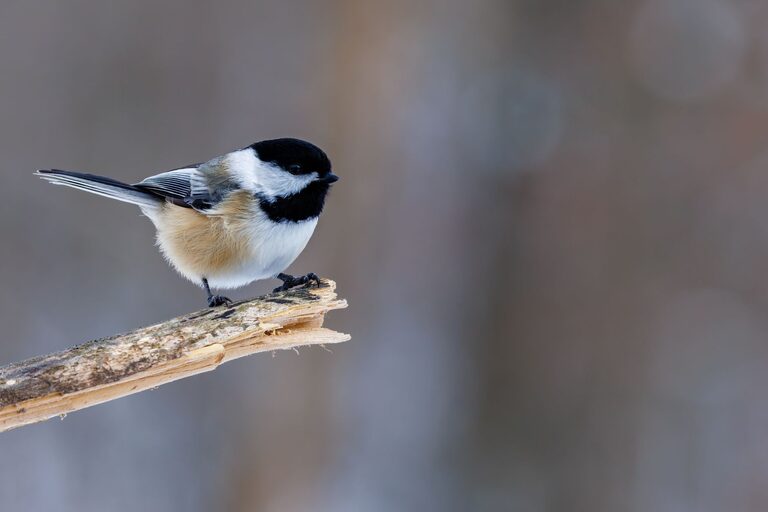
Birdwatching is a relaxing and rewarding way to connect with nature without leaving your home. Whether you have a small balcony or a large backyard, you can enjoy observing a variety of birds by creating a welcoming environment for them. If you’re new to birdwatching, this guide will help you get started with simple and practical tips to attract birds and enhance your experience.
Why Backyard Birdwatching?
Birdwatching in your own backyard offers several benefits:
– It’s convenient and free.
– It encourages outdoor time and mindfulness.
– It supports local wildlife by providing food and shelter.
– It’s a fun, educational hobby for all ages.
Now, let’s explore how to begin your birdwatching journey.
Setting Up Your Backyard for Birdwatching
1. Choose the Right Feeding Stations
Bird feeders are a great way to attract birds. Depending on the species you want to see, consider these types:
– Tube feeders: Ideal for small birds like finches and chickadees.
– Platform feeders: Attract a variety of birds, including ground feeders like doves.
– Suet feeders: Perfect for woodpeckers and nuthatches.
– Hummingbird feeders: Designed for hummingbirds with sugar water.
Place feeders in safe, visible spots away from windows to prevent collisions. Clean feeders regularly to keep birds healthy.
2. Offer the Right Food
Different birds prefer different foods. Start with popular options:
– Black oil sunflower seeds attract many species.
– Nyjer (thistle) seeds are favorites of finches.
– Suet cakes provide energy during colder months.
– Fresh water in a birdbath attracts birds for drinking and bathing.
Avoid bread or processed foods, as they do not provide proper nutrition.
3. Provide Water Sources
Birds need fresh water for drinking and bathing. Add a birdbath or shallow dish of water in your yard. Keep the water clean and change it frequently to prevent mosquitoes and bacteria.
4. Create Shelter and Nesting Sites
Birds feel safer when they have places to hide and nest. Plant native shrubs, trees, and flowers to provide cover and food sources like berries and insects. You can also install birdhouses suitable for local species.
Birdwatching Gear and Techniques
1. Get a Good Pair of Binoculars
Binoculars help you observe birds up close without disturbing them. For beginners, a pair with 8x to 10x magnification is ideal, offering a clear, stable view.
2. Use a Field Guide or App
Learn to identify birds by using a field guide or a mobile app. These tools provide photos, descriptions, and bird calls, helping you recognize species by sight and sound.
3. Keep a Bird Journal
Recording what you see adds enjoyment and helps track your progress. Note the species, date, time, weather, and behavior. This practice deepens your connection with nature.
4. Be Patient and Quiet
Birdwatching requires patience. Move slowly, avoid loud noises, and spend quiet time observing. Birds may take a few visits to feel comfortable in your yard.
Common Backyard Birds to Look For
Depending on your region, common backyard birds include:
– American Robin
– Northern Cardinal
– Blue Jay
– Mourning Dove
– House Finch
– Black-capped Chickadee
– Downy Woodpecker
– Hummingbird
Try to learn about the habits and calls of these species to make identification easier.
Seasonal Tips for Backyard Birdwatching
– Spring and Summer: Focus on nesting behavior, feeding juvenile birds, and wildflowers that attract insects.
– Fall: Watch for migrating species passing through, and keep feeders stocked to help them refuel.
– Winter: Use suet and high-energy seeds, and keep water from freezing.
Safety and Ethical Considerations
– Avoid using pesticides or chemicals harmful to birds.
– Keep cats indoors or supervise them outside to protect birds.
– Do not handle nests or disturb nesting birds.
– Follow local guidelines on feeding and birdwatching to support healthy bird populations.
Final Thoughts
Backyard birdwatching is a wonderful way to slow down and appreciate the natural world around you. With just a few simple steps, you can turn your outdoor space into a lively bird oasis. Remember to be patient and enjoy each moment of discovery. Happy birdwatching!